Table of Contents
- Summary
- Introduction
- Environment? What a waste!
- Overuse and waste of resources.
- Environment
- Sustainable resources
- Serving our Parents
- Serving our Family/Children
- Serving the Elderly
- Serving our Neighbors/Community
- Serving the Less Fortunate – Ill/Diseased/Infirmed/Disabled
- Serving our Planet/The Environment
- Do we need Global Servitude? (Or…. Is Micro Servitude more important than Global Servitude?)
- Conclusion
Summary
Islamic environmental ethics, like all other forms of ethics in Islam, are based on clear‑cut legal foundations formulated by Allāh. In Islam, the acceptance of what is legal and ethical does not follow the same processes as cultures that base their laws on humanistic philosophies.
The family is the most fundamental unit in the social order of Islam. It enjoys the highest status and prestige, being the source of human race, culture, society, and civilization. Procreation, institutionalized in the family, makes this possible. The family nurtures the development of the individual and his transition into society. It cultivates and strengthens faith in One Allāh, preserves and communicates values and culture, and provides a stable environment for the growth and fulfillment of the individual. It enriches the lives of all its members by offering care and support.
Objectives of this part:
- Understanding of the role between human and environment
- Understanding of the status of parents
- Understanding of the impact of good education and manners for children
- Understanding of respect and love for each other
Introduction
An educated and mannered life begins at birth. It is not merely eating, drinking, or sleeping. The parents shape a child. If a child grows between two cultures without love or understanding, he may develop an inferiority complex. Attention given only at puberty is too late, as the child has already absorbed mixed habits and customs.
For Muslims, the only cultural awareness that matters are Islam. The Muslim’s culture is his Dīn, based solely on Qur’ān and Sunnah, breaking away from the days of Jāhiliyya (ignorance), when identity was sought in racial or national heritage. The Muslim identity is Islam.
Christian–Muslim dialogue has recently become associated with social events, such as potluck dinners, where participants attempt to demonstrate tolerance. However, breaking down racial barriers in the Ummah cannot be achieved through cultural awareness alone. Discrimination can only end when the Ummah holds fast to Qur’ān and Sunnah.
Parents must ensure that Islam is taught correctly and by capable teachers. Knowledge of faith is essential to practice it, serve society, raise excellent children, and teach others sincerely.
Munāzir‑e‑Islam Allāmah Abdul Wahab Siddiqi (ʿalayhis al‑Raḥmah) stated in his lecture on Eid Milad‑un‑Nabi ﷺ that 80–90% of people in Muslim countries are jāhil (illiterate), lacking knowledge of science. He emphasized that children should be educated in both Islamic and secular sciences, since secular knowledge is rooted in Islamic tradition. When children are educated in Islam, no one can convince them that Allāh is not the Creator of all existence (Siddiqi, Lecture on Eid Milad‑un‑Nabi, 1985, p. 12).
Islam is based on three principles necessary for eternal happiness: knowledge, action, and sincerity. Whoever neglects one of these does not fulfill his faith completely. Acts are honorable and valuable depending on niyyāh (intention). Religious knowledge frees one from ignorance and excessive desires.
Islam as Īmān (faith) provides freedom of thought and guarantees against tensions, disagreements, and negative speech. Īmān is the foremost psychological factor in a child’s life, even in an age of advanced technology. It is the axis around which the child’s life revolves.
Allāh forbids evil deeds such as cursing, rebellion, oppression, tyranny, murder, and bloodshed. Those who follow these paths are described in the Qur’ān as “followers of the devil” (Al‑Qur’ān, 4:119, Part 5, p. 95). Islam forbids not only brute force but even mental pressure to compel belief. Faith requires free will and conscious acceptance. Muslims may encourage one another toward moral virtues described in the Qur’ān, but never through coercion.
Transient worldly cravings and addictions are the main source of unrest. An honest person aligns values and feelings with Allāh’s satisfaction, achieving inner peace. Such spiritual beauty earns genuine love from others. In a community where individuals do not desire temporary worldly life, brotherhood, unity, solidarity, helpfulness, and mutual respect flourish.
Environment? What Waste!
The laws of nature are completed by the Creator and based on the concept of the absolute continuity of existence. Although Allāh may sometimes will otherwise, what happens according to His natural law must be accepted as His will. The Qur’ān acknowledges that humankind is not the only community to live in this world.
Allāh reveals:
وَمَا مِن دَآبَّةٍ فِي ٱلأَرْضِ وَلاَ طَائِرٍ يَطِيرُ بِجَنَاحَيْهِ إِلاَّ أُمَمٌ أَمْثَالُكُمْ مَّا فَرَّطْنَا فِي ٱلكِتَٰبِ مِن شَيْءٍ ثُمَّ إِلَىٰ رَبِّهِمْ يُحْشَرُونَ
“And there is no creature on earth nor any bird that flies with its wings but are communities like you. We have left out nothing in the Book. Then to their Lord they shall be gathered.” (Al‑Qur’ān, 6:38, Part 7, p. 123). This means that while humans may currently dominate, other creatures are also communities worthy of respect and protection.
The Prophet Muhammad ﷺ was asked whether there would be a reward for charity shown to animals. He replied explicitly: “For every creature with a moist heart (i.e., living being) there is a reward.” (Al‑Bukhārī, Ṣaḥīḥ al‑Bukhārī, Vol. 8, p. 112).
Ibn Ḥajar (ʿalayhis al‑Raḥmah) comments that “wetness” indicates life, so charity extends to all creatures, though human beings are more deserving if a choice must be made.
Islamic environmental ethics are based on justice (ʿadl) and equity (iḥsān): “Indeed, Allāh commands justice and kindness.” (Al‑Qur’ān, 16:90, Part 14, p. 267).
The Prophet ﷺ instructed: “Verily Allāh has prescribed equity in all things. If you kill, kill well; if you slaughter, slaughter well. Sharpen your blade and spare the animal suffering.” (Muslim, Ṣaḥīḥ Muslim, Vol. 5, p. 45).
Waste and Environment
The environment broadly means the surroundings in which someone or something lives. Waste is defined as that which an owner discards, intends to discard, or is required to discard. If not disposed of properly, it becomes litter and harms the environment.
The environment includes both the natural (ecological) and social surroundings. The ecological environment is part of our physical setting, living, and non‑living nature—within which human life is possible. Disciplines such as environmental science, economics, and philosophy study the relationship between humans and their environment.
Overuse and Waste of Resources
The environment is not for the present generation alone. It is a gift of Allāh to all ages—past, present, and future. No other creature can protect it as humans can. Today, financial resources are often misused. People consume excessively without reflecting on their existence. Food is bought or prepared beyond need, only to be discarded while millions starve. Toys and electronic devices are purchased unnecessarily and stored away unused. This irresponsible behavior reflects a lack of awareness.
Allāh warns:
مَثَلُ مَا يُنْفِقُونَ فِي هَـٰذِهِ ٱلْحَيَاةِ ٱلدُّنْيَا كَمَثَلِ رِيحٍ فِيهَا صِرٌّ أَصَابَتْ حَرْثَ قَوْمٍ ظَلَمُوۤاْ أَنْفُسَهُمْ فَأَهْلَكَتْهُ وَمَا ظَلَمَهُمُ ٱللَّهُ وَلَـٰكِنْ أَنْفُسَهُمْ يَظْلِمُونَ
“The example of what they spend in this worldly life is like a wind with intense cold that strikes the harvest of a people who wronged themselves and destroys it. Allāh did not wrong them, but they wronged themselves.” (Al‑Qur’ān, 3:117, Part 4, p. 72). Humans are entrusted with the duty of vice‑regency (khilāfah), a responsibility so burdensome that no other creature accepted it.
Allāh reveals:
إِنَّا عَرَضْنَا ٱلأَمَانَةَ عَلَى ٱلسَّمَٰوَٰتِ وَٱلأَرْضِ وَٱلْجِبَالِ فَأبَيْنَ أَن يَحْمِلْنَهَا وَأَشْفَقْنَ مِنْهَا وَحَمَلَهَا ٱلإِنْسَانُ إِنَّهُ كَانَ ظَلُوماً جَهُولاً
“Indeed, We offered the Trust to the heavens, the earth, and the mountains, but they refused to bear it and feared it. Yet man undertook it. Indeed, he is unjust and ignorant.” (Al‑Qur’ān, 33:72, Part 22, p. 410).
Environment
Islam has always had a profound influence on the formation of individual Muslim communities and the policymaking of Muslim states. This influence extends to environmental policy, which has remained consistent throughout Islamic history. The concept of ḥimā (protection of certain zones) has existed since the time of the Prophet Muhammad ﷺ. Rimā involved the ruler or government protecting specific unused areas. No one could build them or develop them in any way.
Dr. Mawil Y. Izzi Deen explains in his lecture Islamic Environmental Ethics, Law, and Society that the Mālikī school of Islamic law described the requirements of ḥimā as follows:
- Protection must serve the Muslim public by maintaining land in an unused state. It cannot be granted to satisfy an influential individual unless there is a public need.
- The protected area should be limited to avoid inconvenience to the public.
- The protected area should not be built on or cultivated.
- The aim of protection is public welfare, e.g., restricted grazing by the animals of the poor (Izzi Deen, 1990, p. 12).
Harun Yahya envisions a future where environmental cleanliness is prioritized: pollution eliminated, public places comfortable, transportation accessible, and recreational areas safe and healthy. He emphasizes love for animals, with parks for viewing them, and even biological methods to neutralize dangerous species (Yahya, 2001, p. 45).
At present, Islam’s role in environmental protection can be seen in the formation of Islamic organizations and projects motivated by faith. For example, Saudi Arabia under King Khalid supported efforts to save the Arabian oryx from extinction (Al‑Faruqi, Islam, and Ecology, 1983, p. 88).
Sustainable Resources
A sustainable resource is one used at the same rate it is renewed.
- Examples of sustainable resources: wood (if harvested responsibly), wind, solar, hydroelectric power.
- Non‑sustainable resources: oil, natural gas, minerals.
- Fish stocks: potentially renewable but currently exploited faster than they regenerate.
Before embarking on new projects, scientists often look to nature for models. They study designs created by Allāh and imitate them to develop innovative technologies.
Allāh reveals:
وَإِنَّ لَكُمْ فِي ٱلأَنْعَامِ لَعِبْرَةً نُّسْقِيكُمْ مِّمَّا فِي بُطُونِهَا وَلَكُمْ فيِهَا مَنَافِعُ كَثِيرَةٌ وَمِنْهَا تَأْكُلُونَ
“And undoubtedly, in the cattle there is a lesson for you. We give you to drink of what is in their bellies, and you have in them many benefits, and of them you eat.” (Al‑Qur’ān, 23:21, Part 18, p. 345). This verse highlights the concept of ʿibratan (lesson, model), which inspired the modern science of biomimetics—imitating living systems. Biomimetics is applied in nanotechnology, robotics, artificial intelligence, medicine, and defense.
Waste to Energy
Many materials considered waste contain energy. Waste incineration generates electricity from released heat. Biomasses, such as manure, can produce bioenergy.
Example: electricity from cow manure.
- Manure is deposited into a tank.
- Natural fermentation releases biogas.
- Biogas is burned in a power heater, producing electricity and heat.
- Heat can warm houses or barns; electricity is supplied to the grid.
Prof. Dr. Ir. Rudy Rabbinge noted that in the 20th century, the world population increased sixfold, production sevenfold, yet hunger also grew, with one billion people starving. He emphasized that the bio‑based economy allows us to use plants, algae, and animal products to develop high‑quality materials for pharmaceuticals, fragrances, flavors, and more, through bio‑refineries and advanced purification techniques (Rabbinge, 2010, Ernst & Young Magazine, Vol. 2, p. 23).
Corporate Social Responsibility (CSR) in Today’s Business
Today’s business is primarily profit‑driven. Many companies have programs for sustainable growth and, in addition, programs to help people improve their quality of life. Unfortunately, not all multinationals implement such additional programs.
Sustainability (CSR = corporate social responsibility) should go beyond merely meeting stakeholder expectations. It provides business opportunities and acts as a driver of innovation. Organizations face the challenge of capitalizing on these opportunities through excellence in sustainability.
One example is Unilever, which launched Lifebuoy soap in India to promote hand‑washing. Many poor communities in India had never practiced hand‑washing and did not know its importance. Unilever therefore initiated a hand‑washing program, reaching 33 million people and significantly improving hygiene. This activity added value to every aspect of the company (Unilever, 2010, p. 45).
CSR in Europe and the USA
The question of whether companies should operate in a socially responsible manner has become pressing in Europe. In contrast, the USA has lagged in CSR, with limited investment in climate control. Stakeholders there often focus solely on profit. Prompted by specific expectations from shareholders, clients, and employees, organizations can no longer disregard CSR (Carroll, 1999, p. 283).
CSR from an Islamic Perspective
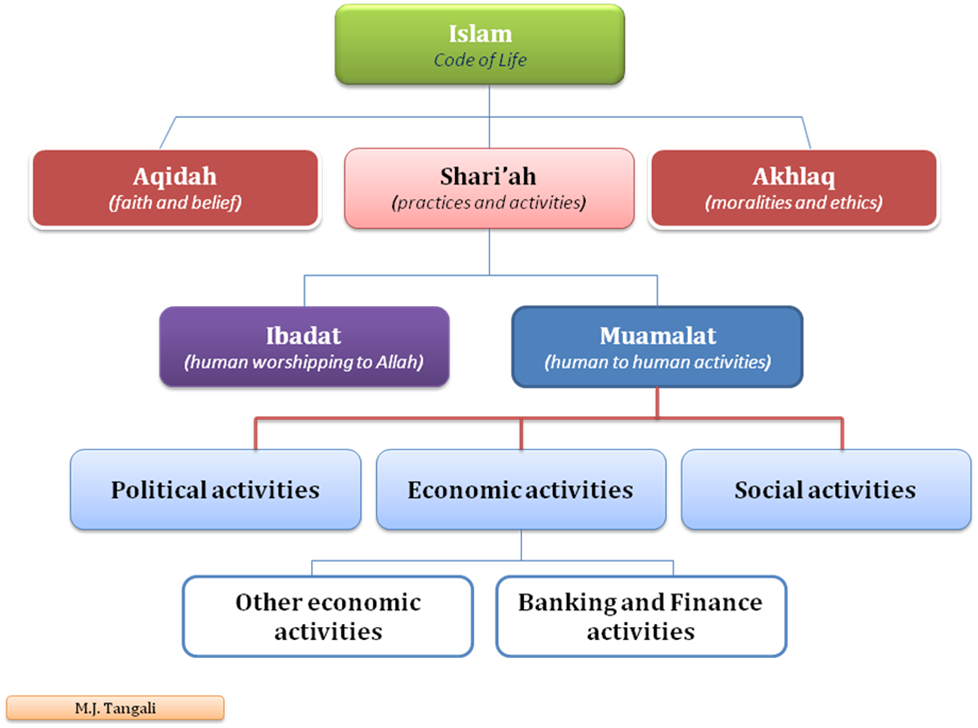
From the Islamic point of view, 1.6 billion Muslims believe that Islam is not only a religion but also a complete guideline for life. Since Islam is a comprehensive code of life, it addresses every aspect of human existence.
Values and principles central to Islam since the time of the Prophet Muhammad ﷺ may serve as a foundation for the notion of CSR, like Western frameworks. These include justice (ʿadl), sincerity (ikhlāṣ), and responsibility (amānah).
Mohammed (2007), in his PhD thesis Corporate Social Responsibility in Islam at Auckland University of Technology, argues that Islamic CSR emphasizes:
- Serving society through ethical business practices.
- Protecting the environment as part of stewardship (khilāfah).
- Ensuring fairness in trade and treatment of employees.
- Promoting social welfare and community development (Mohammed, 2007, p. 112).
Serving Our Parents
Allāh created humankind two thousand years after the Jinn. Humanity began on a Friday with the creation of Prophet Adam (Abū Basr = father of humankind). From his rib, Allāh created the first woman, Hazrat Hawwāh (Eve = mother of humankind).
Allāh reveals:
هُوَ ٱلَّذِي خَلَقَكُمْ مِّن نَّفْسٍ وَاحِدَةٍ وَجَعَلَ مِنْهَا زَوْجَهَا لِيَسْكُنَ إِلَيْهَا فَلَماَّ تَغَشَّاهَا حَمَلَتْ حَمْلاً خَفِيفاً فَمَرَّتْ بِهِ فَلَمَّآ أَثْقَلَتْ دَّعَوَا ٱللَّهَ رَبَّهُمَا لَئِنْ آتَيْتَنَا صَالِحاً لَّنَكُونَنَّ مِنَ ٱلشَّاكِرِينَ
“It is He Who created you from a single soul (Adam), and made from it his mate that he might find rest in her. When he covered her, she bore a light burden and carried it. When it grew heavy, they both prayed to their Lord: ‘If You grant us a righteous child, we will surely be grateful.” (Al‑Qur’ān, 7:189, Part 8, p. 145).
The Status of Parents in Islam
According to Islamic wisdom, after Allāh and the Holy Prophet ﷺ, the highest position is given to parents. If one’s parents are pleased, that person gains the pleasure of Allāh and His Messenger ﷺ. If parents are displeased, the pleasure of Allāh and His Messenger ﷺ cannot be attained.
It is the duty of every child to serve their parents and be kind to them. The Prophet ﷺ stated that a disobedient child will not enter Jannah. Looking at one’s parents with love earns the reward (sawāb) of Hajj. It is also said: “Paradise lies under the feet of your mother” and “The father is the gate to Paradise.”
- Hazrat ʿAbdullāh ibn ʿAmr ibn al‑ʿĀṣ (raḍiyAllāhu ʿanhu) reported that the Prophet ﷺ said: “Three people are forbidden Paradise, and one of them is the one who is disobedient to his parents.” (Musnad Ahmad, Vol. 2, p. 158).
- Hazrat Ibn ʿUmar (raḍiyAllāhu ʿanhu) reported that the Prophet ﷺ said: “Among the most terrible sins is to abuse one’s parents.” When asked how, he replied: “If you abuse another’s parents, he will retaliate by abusing yours.” (Ṣaḥīḥ al‑Bukhārī, Vol. 8, p. 12; Ṣaḥīḥ Muslim, Vol. 4, p. 201; Sunan Abū Dāwūd, Vol. 3, p. 45).
Creation of Adam
Abū Hurayrah (raḍiyAllāhu ʿanhu) narrated: The Prophet ﷺ said: “Allāh created Adam from dust after mixing clay and leaving it until it became sticky mud. Then He shaped it until it became like potter’s clay. Iblīs used to pass by him saying: ‘You have been created for a great purpose.’ Then Allāh breathed His spirit into him. The first thing the spirit entered was his eyes, then his nose. He sneezed, and Allāh said: ‘May your Lord have mercy upon you, O Adam!’ Adam greeted the angels, who replied: ‘Peace be upon you and the mercy and blessings of Allāh.’ Allāh said: ‘This is your greeting and that of your offspring.’” (Ṣaḥīḥ al‑Bukhārī, Vol. 4, p. 112).
The Story of Hābīl and Qābīl
The first children of Adam and Hawwāh were two sons: Hābīl (Abel) and Qābīl (Cain). Each birth of Hawwāh was a twin. By Allāhs command, Adam ordered Qābīl to marry Hābil’s twin sister and Hābīl to marry Qābil’s twin sister. Qābīl refused, as his own sister was the most beautiful. Adam then instructed them to make offerings to Allāh, leaving the matter to His judgment.
Allāh reveals:
وَٱتْلُ عَلَيْهِمْ نَبَأَ ٱبْنَيْ ءَادَمَ بِٱلْحَقِّ إِذْ قَرَّبَا قُرْبَاناً فَتُقُبِّلَ مِن أَحَدِهِمَا وَلَمْ يُتَقَبَّلْ مِنَ ٱلآخَرِ قَالَ لأَقْتُلَنَّكَ قَالَ إِنَّمَا يَتَقَبَّلُ ٱللَّهُ مِنَ ٱلْمُتَّقِينَ
“And narrate to them the true story of the two sons of Adam: when they each offered a sacrifice, it was accepted from one but not from the other. He said: ‘I will surely kill you.’ The other replied: ‘Allāh accepts only from the God‑fearing.’” (Al‑Qur’ān, 5:27, Part 6, p. 105).
Tafsīr Jalālayn and the Story of Qābīl and Hābīl
Tafsīr Jalālayn explains: The Prophet Muhammad ﷺ was commanded to recite to his people the story of the two sons of Adam, Abel (Hābīl), and Cain (Qābīl), truthfully (bi’l‑ḥaqq). Each offered a sacrifice: Abel a ram, Cain some crops. A fire descended from heaven and consumed Abel’s offering, signifying its acceptance, while Cain’s was rejected. Envy grew in Cain until he declared: “I will surely slay you.” Abel replied: “Allāh accepts only from the God‑fearing.” (Al‑Qur’ān, 5:27, Part 6, p. 105). Cain murdered his brother out of jealousy, influenced by Iblīs. This event remains a symbol of disputes among people driven by envy and weakness.
Serving Parents
Those who are strong on the Right Path serve their parents—helping with household duties, income, health care, and welfare. Weak people neglect their parents, sometimes leaving them in nursing homes, forgetting the sacrifices their parents made to raise and educate them.
The Prophet ﷺ directed Muslims to respect and honor their parents, even if they were non‑Muslims opposed to Islam. After duties to Allāh Almighty, priority is given to duties toward parents.
Allāh reveals:
وَوَصَّيْنَا ٱلإِنسَانَ بِوَٰلِدَيْهِ إِحْسَاناً حَمَلَتْهُ أُمُّهُ كُرْهاً وَوَضَعَتْهُ كُرْهاً وَحَمْلُهُ وَفِصَٰلُهُ ثَلٰثُونَ شَهْراً حَتَّىٰ إِذَا بَلَغَ أَشُدَّهُ وَبَلَغَ أَرْبَعِينَ سَنَةً قَالَ رَبِّ أَوْزِعْنِيۤ أَنْ أَشكُرَ نِعْمَتَكَ ٱلَّتِيۤ أَنْعَمْتَ عَلَيَّ وَعَلَىٰ وَالِدَيَّ وَأَنْ أَعْمَلَ صَٰلِحاً تَرْضَٰهُ وَأَصْلِحْ لِي فِي ذُرِّيَّتِيۤ إِنِّي تُبْتُ إِلَيْكَ وَإِنِّي مِنَ ٱلْمُسْلِمِينَ
“We commanded man to do good to his parents. His mother bore him with hardship and gave birth with hardship. His bearing and weaning are thirty months. When he reaches maturity and forty years, he prays: ‘O my Lord, inspire me to be thankful for Your blessings upon me and my parents, and to do righteous deeds pleasing to You, and make my offspring righteous. I turn to You, and I am of the Muslims.’” (Al‑Qur’ān, 46:15, Part 26, p. 502).
Prophetic Guidance on Parents
- Abū Hurayrah (raḍiyAllāhu ʿanhu) reported: A man asked, “Who is most deserving of my good company?” The Prophet ﷺ replied: “Your mother.” He asked again, and the Prophet repeated: “Your mother.” A third time, “Your mother.” Finally, “Your father.” (Ṣaḥīḥ al‑Bukhārī, Vol. 8, p. 2; Ṣaḥīḥ Muslim, Vol. 4, p. 201).
- Jābir (raḍiyAllāhu ʿanhu) reported: The Prophet ﷺ said: “Whoever has three qualities—mercy to the weak, kindness to parents, and goodness to slaves—Allāh will ease his death and admit him to Paradise.” (Jāmiʿ at‑Tirmidhī, Vol. 4, p. 112).
Women’s Role in Family and Society
- Abū Umāmah (raḍiyAllāhu ʿanhu) narrated: The Prophet ﷺ said: “After fear of Allāh, a believer gains nothing better than a righteous wife who obeys him, pleases him, is faithful in his absence, and protects herself and his property.” (Jāmiʿ at‑Tirmidhī, Vol. 5, p. 45).
- Ibn ʿAbbās (raḍiyAllāhu ʿanhu) narrated: The Prophet ﷺ said: “I was shown Hellfire, and the majority of its dwellers were women who were ungrateful to their husbands and ungrateful for favors.” (Ṣaḥīḥ al‑Bukhārī, Vol. 7, p. 215).
Islam grants women a noble status. A Muslim woman is the first teacher in building a righteous society, provided she follows the Qur’ān and Sunnah.
Duties of a Daughter‑in‑Law
A married woman is required to care for her parents‑in‑law, her husband’s home, and his children (Ṣaḥīḥ al‑Bukhārī, Vol. 8, p. 45). She should treat her parents’ own as her own, respect them, obey their commands, and attend to their needs. She should avoid dividing the family by demanding a separate house and should be kind to other women in her husband’s family.
This is nothing less than serving Allāhs creation for a valuable reward from Allāh Almighty.
Serving Our Family and Children
Fourteen hundred years ago in Arabia, the birth of a baby girl was often regarded as a catastrophe. Many Arabs, blindly devoted to their traditions, would raise girls in tents, but tragically, many were buried alive.
Allāh reveals:
وَإِذَا بُشِّرَ أَحَدُهُم بِٱلأُنثَىٰ ظَلَّ وَجْهُهُ مُسْوَدّاً وَهُوَ كَظِيمٌ
“And when the good tiding of the birth of a daughter is conveyed to any of them, his face darkens with grief, and he suppresses his anger.” (Al‑Qur’ān, 16:58, Part 14, p. 265).
يَتَوَارَىٰ مِنَ ٱلْقَوْمِ مِن سُوٓءِ مَا بُشِّرَ بِهِ أَيُمْسِكُهُ عَلَىٰ هُونٍ أَمْ يَدُسُّهُ فِي ٱلتُّرَابِ أَلَا سَآءَ مَا يَحْكُمُونَ
“He hides himself from the people because of the shame of this tiding. Shall he keep her in disgrace or bury her in the dust? Evil indeed is their judgment.” (Al‑Qur’ān, 16:59, Part 14, p. 265).
The Qur’ān and Sunnah corrected these practices, establishing respect and dignity for daughters.
Qur’ān and Sunnah as Guidance
The Prophet ﷺ explained the revelation of Allāh, and the Arabs implemented it, building one of the most advanced civilizations of the world. The foundation of this civilization was the Qur’ān. Believers who live in compliance with the Qur’ān are successful.
Allāh reveals:
فَٱسْتَمْسِكْ بِٱلَّذِيۤ أُوحِيَ إِلَيْكَ إِنَّكَ عَلَىٰ صِرَاطٍ مُّسْتَقِيمٍ
“Therefore, hold fast to what has been revealed to you. Undoubtedly, you are on the straight path.” (Al‑Qur’ān, 43:43, Part 25, p. 480).
وَإِنَّهُ لَذِكْرٌ لَّكَ وَلِقَوْمِكَ وَسَوْفَ تُسْأَلُونَ
“And indeed, it (the Qur’ān) is an honor for you and your people, and soon you will be questioned.” (Al‑Qur’ān, 43:44, Part 25, p. 480).
The Family System in Islam
Islam establishes rights and responsibilities for husband, wife, children, and relatives within a balanced framework. It fosters generosity, love, and unselfish behavior. A stable family provides peace, security, and spiritual growth.
Children are considered wealthy until they leave home after nikāḥ (marriage). Parents, especially mothers, are highly respected. The Qur’ān teaches that mothers suffer pain during pregnancy and childbirth, and children must be cared for with love and attention.
Rights of Children
Children have rights upon their fathers:
- Choosing a righteous mother.
- Giving them a good name.
- Organizing the ʿaqīqah ceremony.
- Raising them with love and gentleness.
- Arranging marriage (nikāḥ) when they reach adulthood.
- Allowing them freedom within the bounds of Islam.
Allāh reveals:
وَٱلْوَالِدَاتُ يُرْضِعْنَ أَوْلاَدَهُنَّ حَوْلَيْنِ كَامِلَيْنِ لِمَنْ أَرَادَ أَن يُتِمَّ ٱلرَّضَاعَةَ…
“Mothers should suckle their children for two complete years, for those who wish to complete the suckling. The father must provide them with food and clothing according to convention. No soul is burdened beyond its capacity. Neither mother nor father should be made to suffer because of their child. If both agree to wean by mutual consent, there is no blame. If you wish to have your children suckled by nurses, there is no blame, provided you pay fairly. Fear Allāh and know that He sees all you do.” (Al‑Qur’ān, 2:233, Part 3, p. 39).
Protecting the Family
Allāh commands:
يٰأَيُّهَا ٱلَّذِينَ آمَنُواْ قُوۤاْ أَنفُسَكُمْ وَأَهْلِيكُمْ نَاراً وَقُودُهَا ٱلنَّاسُ وَٱلْحِجَارَةُ…
“O believers! Save yourselves and your families from the Fire whose fuel is men and stones, over which are appointed stern angels who disobey not Allāhs commands and do as they are ordered.” (Al‑Qur’ān, 66:6, Part 28, p. 540). This verse emphasizes the responsibility of parents to protect their families from Hell through obedience to Allāh and His Messenger ﷺ.
Islamic Education and Modesty
Children are a test from Allāh. Parents must provide both worldly and religious education. Serving children within the Islamic framework benefits parents in return. Daughters should be introduced to Islamic dress early, imitating their mothers. By puberty, they should wear complete ḥijāb—including niqāb and loose‑fitting clothing—whenever outside the home.
Serving Our Family and Children
Allāh reveals:
يٰأَيُّهَا ٱلنَّبِيُّ قُل لأَزْوَاجِكَ وَبَنَاتِكَ وَنِسَآءِ ٱلْمُؤْمِنِينَ يُدْنِينَ عَلَيْهِنَّ مِن جَلاَبِيبِهِنَّ ذٰلِكَ أَدْنَىٰ أَن يُعْرَفْنَ فَلاَ يُؤْذَيْنَ وَكَانَ ٱللَّهُ غَفُوراً رَّحِيماً
“O Prophet! Tell your wives, daughters, and the women of the believers to draw their cloaks over themselves. That is better so that they may be recognized and not harmed. And Allāh is Forgiving, Merciful.” (Al‑Qur’ān, 33:59, Part 22, p. 412).
Clothing and Modesty
A narration states that when the sister of Hazrat ʿĀishah (raḍiyAllāhu ʿanhā) visited her, the Prophet ﷺ turned his face away and said: “O ʿĀishah, tell your sister not to wear tight clothing. Whoever wears tight clothes is naked.” He explained to his Companions that if the physique of a woman is visible from shoulders to hips, she is considered naked—and this applies to men as well (Musnad Ahmad, Vol. 3, p. 45).
The Prophet ﷺ raised the status of women in society and promised success and reward for raising daughters with proper education and training to lead decent family lives.
Duties of Parents
- Fathers are instructed to provide for the maintenance of their infant children.
- Both parents are responsible for the education of their children, beginning with the Qur’ān.
- Of all inheritances, the best gift parents can give is good manners.
- Spending on children’s well‑being is considered one of the best causes (Ṣaḥīḥ al‑Bukhārī, Vol. 7, p. 215).
Today, many parents spoil children with electronic devices rather than books, neglecting Islamic education and mosque attendance. Later, they complain of neglect when their children grow older.
Hazrat ʿĀishah (raḍiyAllāhu ʿanhā) reported: A desert Arab said to the Prophet ﷺ, “Do you kiss children? We do not kiss them.” The Prophet ﷺ replied: “I cannot help you, for Allāh has removed kindness from your heart.” (Ṣaḥīḥ al‑Bukhārī, Vol. 8, p. 2; Ṣaḥīḥ Muslim, Vol. 4, p. 201).
Responsibility of Both Parents
Allāmah Abdul Aleem Siddiqi (ʿalayhis al‑Raḥmah) in Zikr‑e‑Ḥabīb (Part I, p. 112) states: Serving children is the responsibility of both parents. Feeding in childhood is primarily the father’s responsibility, while mothers suckle their children as a favor to the father. Both parents are accountable for their children’s education and behavior.
Examples from the Qur’ān
Allāh reveals: “He said: ‘Indeed, in it is Lūṭ.’ The angels said: ‘We know well who is in it.” We shall surely deliver him and his family, except his wife; she is among those who remain behind.’” (Al‑Qur’ān, 29:32, Part 21, p. 390). “So, We saved him and his family, except his wife; she was among those doomed.” (Al‑Qur’ān, 7:83, Part 8, p. 145).
Kinship and Oppression
Hazrat Abū Hurayrah (raḍiyAllāhu ʿanhu) reported: The Prophet ﷺ said that Allāh created the universe, and ties of kinship came forward seeking refuge from severance. Allāh said: “I will maintain ties with those who maintain you and sever ties with those who sever you.” (Ṣaḥīḥ Muslim, Vol. 4, p. 215).
Hazrat Abū Dhār (raḍiyAllāhu ʿanhu) reported: The Prophet ﷺ narrated from Allāh: “O My servants, I have made oppression unlawful for Myself and for you, so do not oppress one another. O My servants, all of you are hungry except those whom I feed; ask Me and I will feed you. All of you are naked except those whom I dress; ask Me and I will clothe you. You commit sins day and night, and I forgive; ask Me and I will forgive you.” (Ṣaḥīḥ Muslim, Vol. 4, p. 216).
Hadith on Duties Toward Husband
Hazrat Ibn Abī Awfā (raḍiyAllāhu ʿanhu) reported that the Prophet ﷺ said: “By Allāh, in Whose hand is my life, the woman who does not fulfill her duties toward her husband is disobedient to Allāh. The fulfillment of duties toward Allāh depends on the fulfillment of duties toward her husband.” (Sunan Ibn Mājah, Vol. 3, p. 45).
Hadith on Blood Relations
Hazrat ʿĀishah (raḍiyAllāhu ʿanhā) reported that the Prophet ﷺ said: “The reward for good character and for doing well to blood relations is given very promptly, and the punishment for refractoriness and severing blood relations is also very prompt.” (Sunan Ibn Mājah, Vol. 2, p. 112).
Serving the Elderly
The most beautiful human component is the skin, which loses elasticity with age. As time passes, strength weakens, senses slow down, and nerve cells do not renew. Vision and hearing deteriorate. Young people often think their old age is far away, forgetting that the decline of the body is part of the transient nature of life in this world. This process cannot be stopped.
Muslim youngsters should be familiar with the status of the elderly and give them due respect. When walking with them, one should walk slightly behind. Let them enter and exit first. Greet them respectfully. In conversation, allow them to speak first, listen attentively, and remain polite and calm. Lower your voice in debate and never forget respect. The elderly should be served first, and then others to their right, following the practice of the Prophet ﷺ.
Hazrat Huzaifa ibn al‑Yamān (raḍiyAllāhu ʿanhu) said: “Whenever we were invited to a meal with the Prophet ﷺ, we would not reach for the food before he did.” (Ṣaḥīḥ Muslim, Vol. 5, p. 45).
Neglect of the Elderly
Today, many are so involved in trade and business that they neglect their elderly. Frequently, parents are placed in nursing homes. While facilities may provide care, children must remember their parents and visit them regularly. “Out of sight is out of mind” should not apply. Children should schedule visits daily or weekly, and on weekends take their parents’ home, serving them healthy food and attention.
The Story of Alqama
Hazrat ʿAbdullāh ibn Abī Awfā (raḍiyAllāhu ʿanhu) narrated: A man named Alqama was regular in prayers and fasting, but when he was dying, the kalima did not come to his lips. His wife informed the Prophet ﷺ. He asked if Alqama’s parents were alive. His mother was displeased with him because he obeyed his wife over her. The Prophet ﷺ asked her to forgive him, but she refused. He then declared that Alqama would be burnt, which perturbed her. She forgave him, and Alqama was able to utter the kalima before death. The Prophet ﷺ led his funeral and said: “Whoever disobeys his mother or troubles her, the curse of Allāh, His angels, and all men will be upon him. Allāh will not accept his prayers until he repents and pleases his mother. Allāhs pleasure depends on the mother’s pleasure.” (al‑Ṭabarānī, al‑Muʿjam al‑Kabīr, Vol. 3, p. 212).
Qur’ānic Guidance
Allāh reveals:
ٱلرِّجَالُ قَوَّٰمُونَ عَلَى ٱلنِّسَآءِ…
“Men are caretakers of women because Allāh has made some excel over others and because they spend of their wealth. Virtuous women are obedient and guard in the absence of their husbands what Allāh commands them to guard. As for those women whose disobedience you fear, admonish them, leave them in their beds, and (lightly) strike them. If they obey you, seek no means of excess against them. Surely, Allāh is Exalted, Great.” (Al‑Qur’ān, 4:34, Part 5, p. 92).
Allāh has given more instructions about family life than any other matter since family stability is central in His sight.
Warnings Against Arrogance
Imām Jalāluddīn al‑Suyūṭī (ʿalayhis al‑Raḥmah) wrote in Jinnāt wa Shayāṭīn that some women belong to the army of Iblīs. Not all women, but those who are arrogant and refuse to conform to Allāhs commands and the Sunnah of the Prophet ﷺ. The same applies to men who are heedless.
Allāh reveals:
وَلَقَدْ ذَرَأْنَا لِجَهَنَّمَ كَثِيراً مِّنَ ٱلْجِنِّ وَٱلإِنْسِ…
“Indeed, We have created for Hell many jinn and humans. They have hearts but do not understand, eyes but do not see, ears but do not hear. They are like cattle—nay, more misguided. They are heedless.” (Al‑Qur’ān, 7:179, Part 9, p. 167).
Serving Our Neighbors and Community
A Muslim should maintain good relations with relatives but justly favor them over others. Further, a Muslim must be good to neighbors, regardless of their religion. The Prophet ﷺ taught that a “neighbor” is not just the one next door but includes all those up to seven houses away—effectively the whole neighborhood.
This concern for neighbors takes many forms:
- Ensuring they have necessities (a Muslim should not eat while his neighbor goes hungry).
- Wishing for them what one wishes for oneself.
- Sharing in their happiness and sorrow.
- Respecting their privacy and not spying on them.
- Avoiding gossip or harm.
- Keeping communal areas clean (entrances, streets, sidewalks).
Qur’ānic Guidance
Allāh reveals:
وَٱعْبُدُواْ ٱللَّهَ وَلاَ تُشْرِكُواْ بِهِ شَيْئاً وَبِٱلْوَٰلِدَيْنِ إِحْسَاناً وَبِذِي ٱلْقُرْبَىٰ وَٱلْيَتَٰمَىٰ وَٱلْمَسَٰكِينِ وَٱلْجَارِ ذِي ٱلْقُرْبَىٰ وَٱلْجَارِ ٱلْجُنُبِ وَٱلصَّاحِبِ بِٱلجَنْبِ وَٱبْنِ ٱلسَّبِيلِ وَمَا مَلَكَتْ أَيْمَٰنُكُمْ إِنَّ ٱللَّهَ لاَ يُحِبُّ مَن كَانَ مُخْتَالاً فَخُوراً
“Worship Allāh and do not associate anything with Him. Do good to parents, relatives, orphans, the needy, the near neighbor, the distant neighbor, the companion by your side, the wayfarer, and to those under your authority. Surely, Allāh does not love the proud and boastful.” (Al‑Qur’ān, 4:36, Part 5, p. 93). This verse teaches care for neighbors: visiting them when sick, congratulating them in joy, comforting them in grief, and avoiding harm such as throwing garbage near their homes or obstructing them.
Prophetic Guidance
- Abū Hurayrah (raḍiyAllāhu ʿanhu) reported: The Prophet ﷺ said, after thrice taking oath: “He is not a believer whose neighbor is not safe from his mischief.” (Ṣaḥīḥ al‑Bukhārī, Vol. 8, p. 12).
- Anas ibn Mālik (raḍiyAllāhu ʿanhu) reported: The Prophet ﷺ said: “Whoever sleeps full while his neighbor goes hungry has not truly believed in me.” (al‑Ṭabarānī, al‑Muʿjam al‑Kabīr, Vol. 7, p. 45).
Calling to Goodness
Allāh reveals:
وَلْتَكُن مِّنْكُمْ أُمَّةٌ يَدْعُونَ إِلَى ٱلْخَيْرِ وَيَأْمُرُونَ بِٱلْمَعْرُوفِ وَيَنْهَوْنَ عَنِ ٱلْمُنْكَرِ وَأُوْلَـٰئِكَ هُمُ ٱلْمُفْلِحُونَ
“Let there be among you a group who call to goodness, enjoy what is right, and forbid what is wrong. It is they who will be successful.” (Al‑Qur’ān, 3:104, Part 4, p. 72).
Ibn Kathīr explains in his Tafsīr: This command establishes the obligation of inviting to Allāh, enjoining good, and forbidding evil. Ad‑Dahhāk added: It refers to an elite group of Companions and scholars who perform jihād and teach.
The Prophet ﷺ said: “Whoever among you sees evil, let him change it with his hand. If unable, then with his tongue. If unable, then with his heart—and that is the weakest faith.” (Ṣaḥīḥ Muslim, Vol. 1, p. 69).
Hudhayfah ibn al‑Yamān (raḍiyAllāhu ʿanhu) reported: The Prophet ﷺ said: “By Him in Whose hand is my soul! You must enjoin righteousness and forbid evil, or Allāh will send punishment upon you. Then you will supplicate to Him, but He will not accept.” (Musnad Ahmad, Vol. 5, p. 387; Jāmiʿ at‑Tirmidhī, Vol. 4, p. 112, graded ḥasan).
Serving the Less Fortunate – Ill, Diseased, Infirmed, Disabled
Even at an early age, when someone plans for a good future, illness can strike, leaving a person helpless or even leading to death. Millions of people today die from cancer or other diseases. There are many viruses for which no cure exists, and even a tiny virus can end a life. For example, a vessel in the brain can burst unexpectedly, causing terrible damage. Increased blood pressure can kill brain cells, resulting in paralysis or mental disability.
Illness and the Will of Allāh
Have you ever wondered why we fall ill—whether it is by the Will of Allāh or not? Why do we suffer from fever, flu, cardiovascular diseases? A person may spend weeks in a coma, beyond help. Doctors can do nothing until Allāh decrees the end of his time.
Allāh reveals:
وَٱللَّهُ خَلَقَكُمْ مِّن تُرَابٍ ثُمَّ مِن نُّطْفَةٍ ثُمَّ جَعَلَكُمْ أَزْوَاجاً وَمَا تَحْمِلُ مِنْ أُنْثَىٰ وَلاَ تَضَعُ إِلاَّ بِعِلْمِهِ وَمَا يُعَمَّرُ مِن مُّعَمَّرٍ وَلاَ يُنقَصُ مِنْ عُمُرِهِ إِلاَّ فِي كِتَابٍ إِنَّ ذَلِكَ عَلَى ٱللَّهِ يَسِيرٌ
“And Allāh created you from dust, then from a sperm drop, then made you pairs. No female conceives or gives birth except with His knowledge. To whomsoever long life is granted or curtailed, all is in a Book. Verily, this is easy for Allāh.” (Al‑Qur’ān, 35:11, Part 22, p. 405).
The Human Immune System
About 250 years ago, scientists discovered that the human body is filled with microscopic organisms. The immune system, designed by Allāh, defends against intruders such as viruses and bacteria. This system constantly adapts, but sometimes it weakens, allowing disease to overcome the body. Medications are used to strengthen immunity, yet science has not found cures for all illnesses.
The Heart
The heart is a hollow muscle that pumps blood throughout the body. It begins beating on the 22nd day of fetal development and continues until death.
- Average heart rate: 70 beats per minute.
- Annual beats: ~36 million.
- Lifetime beats: ~2.3 trillion (at age 63).
- Lifetime blood pumped: ~227 million liters.
- Daily circulation: ~8,000 liters of blood.
The heart is also the “house of īmān (faith).” A heart without faith is like an empty house. This spiritual dimension (Ruhani) is invisible to ordinary people but observed by the Awliyāʾ (saints) who guide students in cleansing the heart and soul.
Blood and Renewal
Blood vessels lie about 2 mm below the skin. The body contains 5–6 liters of blood, ~8% of body weight.
- Plasma: ~50% of blood.
- Cells: red blood cells, white blood cells, platelets.
- A single drop contains ~5 million red cells, 10,000 white cells, and 250,000 platelets.
- Lifespan of blood cells: 7–9 days.
- Daily renewal: 260–400 million new cells, produced in bone marrow.
Causes of Illness
Poor nutrition and harmful behavior contribute to disease:
- Excessive fatty foods, gluttony.
- Smoking, alcohol.
- Excessive exercise or anxiety.
- HIV, stress, worry.
These physical illnesses often lead to mental disturbances such as distress and nervousness. Failure to follow medical advice can profoundly affect quality of life.
Serving the Less Fortunate – Ill, Diseased, and Deceased
Allāh reveals:
وَنُنَزِّلُ مِنَ ٱلْقُرْآنِ مَا هُوَ شِفَآءٌ وَرَحْمَةٌ لِّلْمُؤْمِنِينَ وَلاَ يَزِيدُ ٱلظَّالِمِينَ إَلاَّ خَسَاراً
“And We send down in the Qur’ān that which is a healing and a mercy to the believers; but it adds only loss to the unjust.” (Al‑Qur’ān, 17:82, Part 15, p. 295).
Healing and Patience in Illness
- Hazrat Jābir ibn ʿAbdullāh (raḍiyAllāhu ʿanhu) narrated: The Messenger ﷺ said: “There is medicine for every illness, and when it is given to the sick, he heals with the Will of Allāh, the Exalted and Glorious.” (Ṣaḥīḥ al‑Bukhārī, Vol. 7, p. 215).
- Hazrat Abū Saʿīd al‑Khudrī (raḍiyAllāhu ʿanhu) narrated: The Prophet ﷺ said: “When a Muslim is afflicted by hardship, sickness, sadness, anxiety, or even a prick, Allāh forgives his sins because of it.” (Ṣaḥīḥ al‑Bukhārī, Vol. 7, p. 220; Ṣaḥīḥ Muslim, Vol. 4, p. 201).
- Hazrat ʿAṭāʾ ibn Abī Rabāḥ reported from Hazrat Ibn ʿAbbās (raḍiyAllāhu ʿanhumā): He said, “Shall I show you a woman of Paradise?” He pointed to a black woman who came to the Prophet ﷺ and said: “I suffer from epilepsy, and my body becomes uncovered. Please pray to Allāh for me.” The Prophet ﷺ replied: “If you wish, be patient and you will enter Paradise; or if you wish, I will pray for healing.” She said: “I will be patient, but please pray that I do not become uncovered.” So, he prayed for her. (Ṣaḥīḥ al‑Bukhārī, Vol. 7, p. 230).
The Temporary Nature of Life
The world is a place of tests. Every person will leave behind his possessions and body, moving on to the Hereafter. Death is the gateway to eternal life: bliss for those who lived for Allāhs pleasure, torment for those who followed falsehood. Therefore, live each day as if it were your last, and never forget taubah (repentance).
Duties After the Death of Parents
- Visit their graves.
- Perform Esaal‑e‑Sawāb (transfer of reward).
- Distribute khayrāt and sadaqāh on their behalf.
- Show respect and kindness to their friends and family.
- Respect and obey your Peer‑e‑Ṭarīqah and ʿUlamāʾ‑e‑Dīn. The right (ḥaqq) of the religious teacher even supersedes that of parents.
- Respect father‑ and mother‑in‑law, treating them as parents. Women are encouraged to be especially dutiful to in‑laws, gaining reward in both worlds.
Example of Fatimah bint Asad
When Hazrat Ali’s (raḍiyAllāhu ʿanhu) mother, Fatimah bint Asad, died, the Prophet ﷺ entered her grave before burial. He explained that she was like a mother to him after his own mother, Hazrat Āmina (raḍiyAllāhu ʿanhā). He lay in the grave so that blessings (Raḥmah) would descend upon it. This shows the importance of praying for deceased Muslims. The Prophet ﷺ also planted living branches on graves, teaching that plants recite tasbīḥ of Allāh, which benefits the deceased.
Infirmed
Illness can make someone handicapped, but accidents—such as car crashes—can cause even greater disability. Youngsters especially are often careless in traffic. Even if one is careful, another driver’s negligence can result in terrible consequences. Newspapers worldwide report dozens of road accidents daily. Modern distractions such as DVD players, navigation systems, smartphones, and other devices contribute significantly to these accidents.
These reports remind us that death can come at any time. Therefore, one must prepare the soul with virtuous deeds and rewards from Allāh for the Hereafter.
Allāh reveals:
ٱعْلَمُوۤاْ أَنَّمَا ٱلْحَيَٰوةُ ٱلدُّنْيَا لَعِبٌ وَلَهْوٌ وَزِينَةٌ وَتَفَاخُرٌ بَيْنَكُمْ وَتَكَاثُرٌ فِي ٱلأَمْوَٰلِ وَٱلأَوْلَٰدِ كَمَثَلِ غَيْثٍ أَعْجَبَ ٱلْكُفَّارَ نَبَاتُهُ ثُمَّ يَهِيجُ فَتَرَٰهُ مُصْفَرّاً ثُمَّ يَكُونُ حُطَٰماً وَفِي ٱلآخِرَةِ عَذَابٌ شَدِيدٌ وَمَغْفِرَةٌ مِّنَ ٱللَّهِ وَرِضْوَٰنٌ وَمَا ٱلْحَيَٰوةُ ٱلدُّنْيَآ إِلاَّ مَتَٰعُ ٱلْغُرُورِ
“Know that the life of this world is but play and amusement, adornment, boasting among yourselves, and rivalry in wealth and children. It is like rain whose vegetation pleases the tillers, then it dries up and you see it turning yellow, then it becomes debris. In the Hereafter there is severe torment, but also forgiveness and pleasure from Allāh. The life of this world is nothing but deceptive enjoyment.” (Al‑Qur’ān, 57:20, Part 27, p. 520).
Disabled
Disability can be mental or physical. It may result from accidents, such as car crashes, or from diseases that permanently damage the body. Vaccinations protect against many dangerous diseases, but sometimes congenital conditions occur during pregnancy.
- Physical disability: problems with muscles, blindness, deafness, heart conditions, missing limbs.
- Mental disability: problems with the brain affecting thinking, learning, and memory. Developmental milestones such as crawling, walking, counting, and learning colors may be delayed compared to non‑disabled children.
Support for the Disabled
Fortunately, many solutions exist to improve the lives of disabled people:
- Family support: parents, siblings, and neighbors often provide care.
- Home modifications: widening doors for wheelchairs, installing hospital beds, removing barriers.
- Community care: professional caregivers assist with bathing, cleaning, and daily needs.
- Social inclusion: ensuring disabled children and adults receive education, companionship, and dignity.
Islam emphasizes compassion and service to people with disabilities, seeing it as a form of servitude to Allāhs creation and a source of reward in the Hereafter.
Serving Our Planet and the Environment
The Qur’ān stresses the Unity of Allāh in creation and command. He alone has created everything, and He alone exercises authority over the entire world. At the same time, the Qur’ān acknowledges the system of causation and its true role.
Allāh reveals:
وَٱللَّهُ أَنْزَلَ مِنَ ٱلْسَّمَآءِ مَآءً فَأَحْيَا بِهِ ٱلأَرْضَ بَعْدَ مَوْتِهَآ إِنَّ فِي ذٰلِكَ لآيَةً لِقَوْمٍ يَسْمَعُونَ
“And Allāh sent down water from the heaven, then gave life to the earth by it after its death. Undoubtedly, there is a sign in it for those who listen.” (Al‑Qur’ān, 16:65, Part 14, p. 266).
Signs in Creation
The enormous magnetic power of the sun, though vast, is subject to the command of the Creator. The magnetic power of the earth is also mighty, yet subservient to Allāh, who empowers even a small bird to resist it and remain in the air.
Allāh reveals:
ٱللَّهُ نُورُ ٱلسَّمَٰوَٰتِ وَٱلأَرْضِ…
“Allāh is the Light of the heavens and the earth. The similitude of His Light is as a niche wherein is a lamp. The lamp is in a glass, the glass as if it were a glittering star, lit from a blessed olive tree, neither of the east nor of the west, whose oil would glow even if untouched by fire. Light upon Light. Allāh guides to His Light whom He will. Allāh sets forth parables for humankind, and Allāh knows all things.” (Al‑Qur’ān, 24:35, Part 18, p. 345).
Noor of the Prophet ﷺ
Munāzir‑e‑Islām Allāmah Muhammad Umar Icharvi (ʿalayhis al‑Raḥmah) states in Miqyās‑e‑Noor that Allāh created the Noor (Light) of the Prophet ﷺ even before the creation of the lawḥ (Preserved Tablet), pen, Paradise, Hell, jinn, angels, earth, and heaven. When Allāh decided to create humankind, He split the Noor of the Prophet ﷺ into four parts:
- One part created the pen (qalam).
- The second part created the Tablet (lawḥ).
- The third part created the Throne (ʿArsh).
- The fourth part remained, with multiple meanings (taʾwīl).
Ungratefulness and Natural Disasters
If individuals do not serve the blessings (niʿmah) of Allāh and remain ungrateful, natural disasters can destroy everything on earth. Earthquakes occur every two minutes, though most are too light to feel. Yet even a small earthquake can trigger a massive tsunami.
Allāh reveals:
إِنَّ ٱلإِنسَانَ لِرَبِّهِ لَكَنُودٌ وَإِنَّهُ عَلَىٰ ذَلِكَ لَشَهِيدٌ وَإِنَّهُ لِحُبِّ ٱلْخَيْرِ لَشَدِيدٌ
“Undoubtedly, man is unthankful to his Lord. And undoubtedly, he is himself a witness to it. And undoubtedly, he is intense in love of wealth.” (Al‑Qur’ān, 100:6‑8, Part 30, p. 602).
Do We Need Global Servitude?
(Or… Is Micro Servitude More Important than Global Servitude?)
Allāh is the absolute and sole Master of humanity and the universe. He is the Sovereign Lord, the Sustainer, and the Merciful, whose mercy encompasses all beings. Since He has granted each human dignity and honor and breathed into him of His own spirit, it follows that all are united in Him and through Him. Apart from accidental differences such as nationality, color, or race, men are the same. Every human being is therefore related to all others, forming one community of brotherhood in servitude to the Most Compassionate Lord of the Universe.
In this heavenly atmosphere, the Islamic declaration of the Oneness of Allāh (tawḥīd) stands foremost and central, necessarily entailing the concept of the oneness of humanity and the brotherhood of humanity.
Allāh reveals:
قُلْ مَن رَّبُّ ٱلسَّمَٰوَٰتِ ٱلسَّبْعِ وَرَبُّ ٱلْعَرْشِ ٱلْعَظِيمِ
“Say: Who is the Lord of the seven heavens and the Lord of the Great Throne?” (Al‑Qur’ān, 23:86, Part 18, p. 348).
Universal Rights in Islam
Although an Islamic state may be established in any part of the earth, Islam does not restrict human rights or privileges to the geographical limits of its own state. Islam has laid down universal fundamental rights for humanity, to be observed and respected under all circumstances—whether a person resides within the territory of the Islamic state or outside it, whether at peace or at war.
Allāh reveals:
يَا أَيُّهَآ ٱلَّذِينَ آمَنُواْ كُونُواْ قَوَّامِينَ للَّهِ شُهَدَآءَ بِٱلْقِسْطِ وَلاَ يَجْرِمَنَّكُمْ شَنَآنُ قَوْمٍ عَلَىۤ أَلاَّ تَعْدِلُواْ ٱعْدِلُواْ هُوَ أَقْرَبُ لِلتَّقْوَىٰ وَٱتَّقُواْ ٱللَّهَ إِنَّ ٱللَّهَ خَبِيرٌ بِمَا تَعْمَلُونَ
“O believers! Stand firmly for Allāh, bearing witness with justice. Let not the enmity of any people incite you to avoid justice. Doing justice is nearer to piety. And fear Allāh, for He is aware of what you do.” (Al‑Qur’ān, 5:8, Part 6, p. 106).
Human Rights Conferred by Allāh
When we speak of human rights in Islam, we mean rights granted by Allāh—not by kings, governments, or assemblies. Rights conferred by rulers can be withdrawn at will, but rights granted by Allāh are immutable. No one has the authority to modify, abrogate, or withdraw them. They are not mere philosophical concepts without sanction, nor rights written on paper for show but denied in practice. They are divinely conferred and binding.
Global and Micro Servitude
The question arises: is global servitude more important than micro servitude?
- Global servitude emphasizes universal brotherhood, justice, and rights for all humanity.
- Micro servitude emphasizes serving one’s immediate circle—family, neighbors, community—through daily acts of justice, compassion, and care.
Islam integrates both: the Qur’ān commands justice universally, while the Sunnah emphasizes service locally. Together, they form a holistic framework of servitude to Allāh through service to His creation.
Contemporary Institutions
International independent and not‑for‑profit Islamic organizations such as IMO, WIM, Mili Guric, and IHRC carry out these human rights globally, serving the poor, the infirm, and the marginalized. Their work reflects the Qur’ānic command to uphold justice and compassion beyond borders.
Conclusion
Muslims should keep away from bad company and help others avoid environments that deter them from progress. A daily schedule should be established in such a way that it fulfills one’s own rights, the rights of family, neighbors, and friends, and the rights of Allāh Almighty.
The status of the mother is highly exalted. The ʿUlamāʾ have written that if a son is engaged in nafl ṣalāh and his mother calls him, he should respond immediately and present himself before her.
Parents should spend more time with their children, especially when they are young, by visiting the mosque and organizing Islamic programs at home. This benefits both parents and children, ensuring a better future in this life and the Hereafter.
Family is the cornerstone of the social system. It is not a casual or spontaneous organization of people, but a divinely ordained institution. Family and marriage are regarded as a noble and sacred social contract that confers mutual rights and obligations on the couple. Wives should support their husbands and not hinder them, and husbands should do likewise. Women are encouraged to deepen their Islamic knowledge so they can support their husbands and others in a mindful manner.
This is nothing other than favoring one’s own soul in preparation for the exam in the grave and the Day of Judgment.
Islamic ethics are established on two principles: human nature and religious/legal grounds. Allāh imprinted the first principle, instinct (fiṭrah), in the human soul. With this instinct, the ordinary individual can distinguish between good and bad, and between what is neutral.
The theory of sustainable utilization of the ecosystem may be deduced from Islam’s assertion that life is maintained with balance in everything. Humans are not owners but maintainers of the balance and measure which Allāh provided for them and for the animals that live alongside them.